Understand each home and system.
Conduct site surveys, building and HVAC measurements, diagnostic testing, and documentation needed to support the study protocol.
 Energy DocsHome Performance Contractor, Inc.
LAWRENCE BERKELEY NATIONAL LABORATORY · CALIFORNIA
Detailed home surveys, purpose-built instrumentation, statewide installations, and long-term monitoring of residential HVAC systems.
Mike’s LBNL work combined one-day residential energy assessments with the design, installation, and operation of a long-term monitoring network.
In addition to the 16 monitored homes, Energy Docs staff visited 40 other homes randomly selected across California. During a one-day visit to each home, they analyzed and documented its energy features and compared the findings with site load calculations.
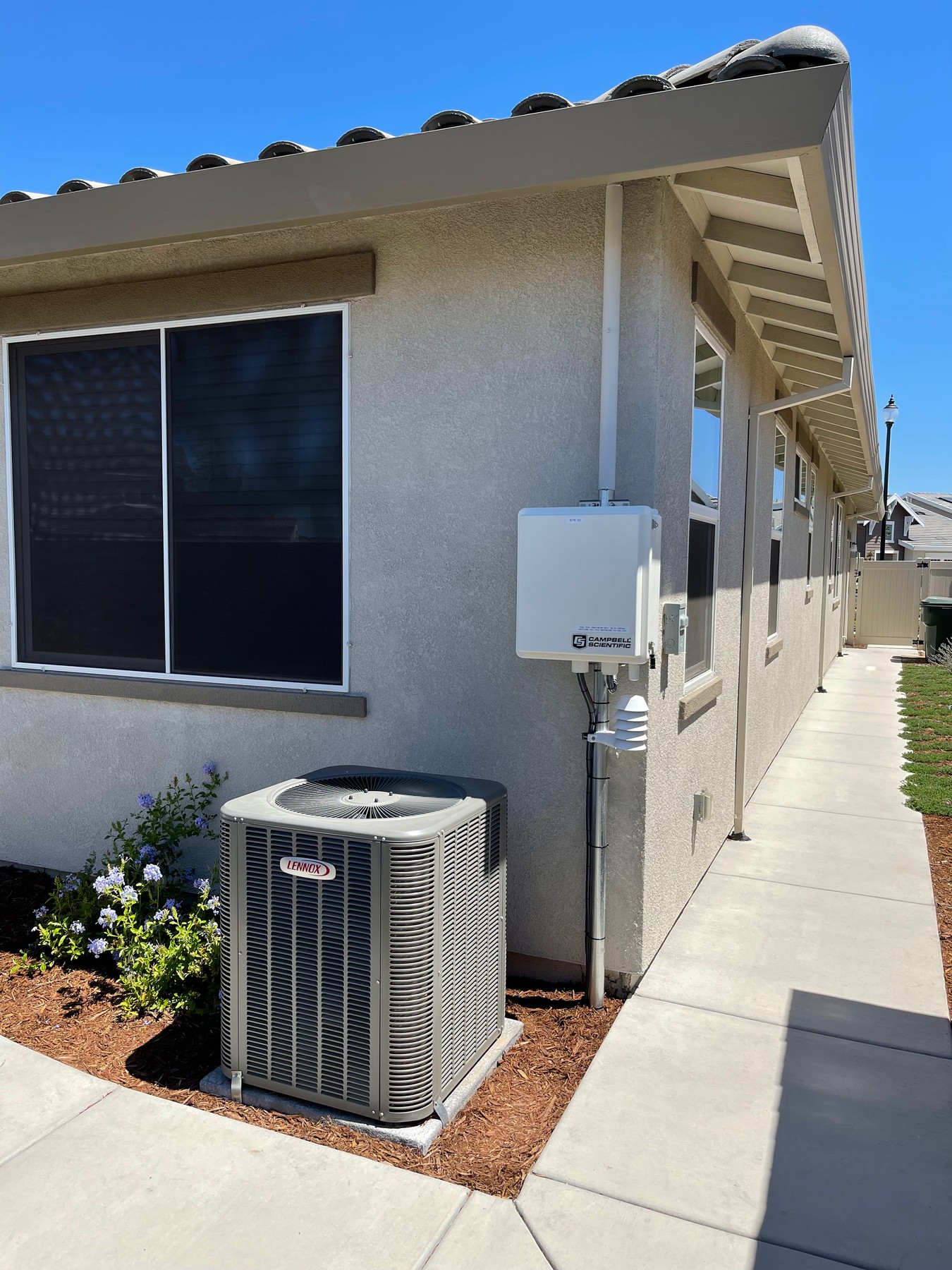
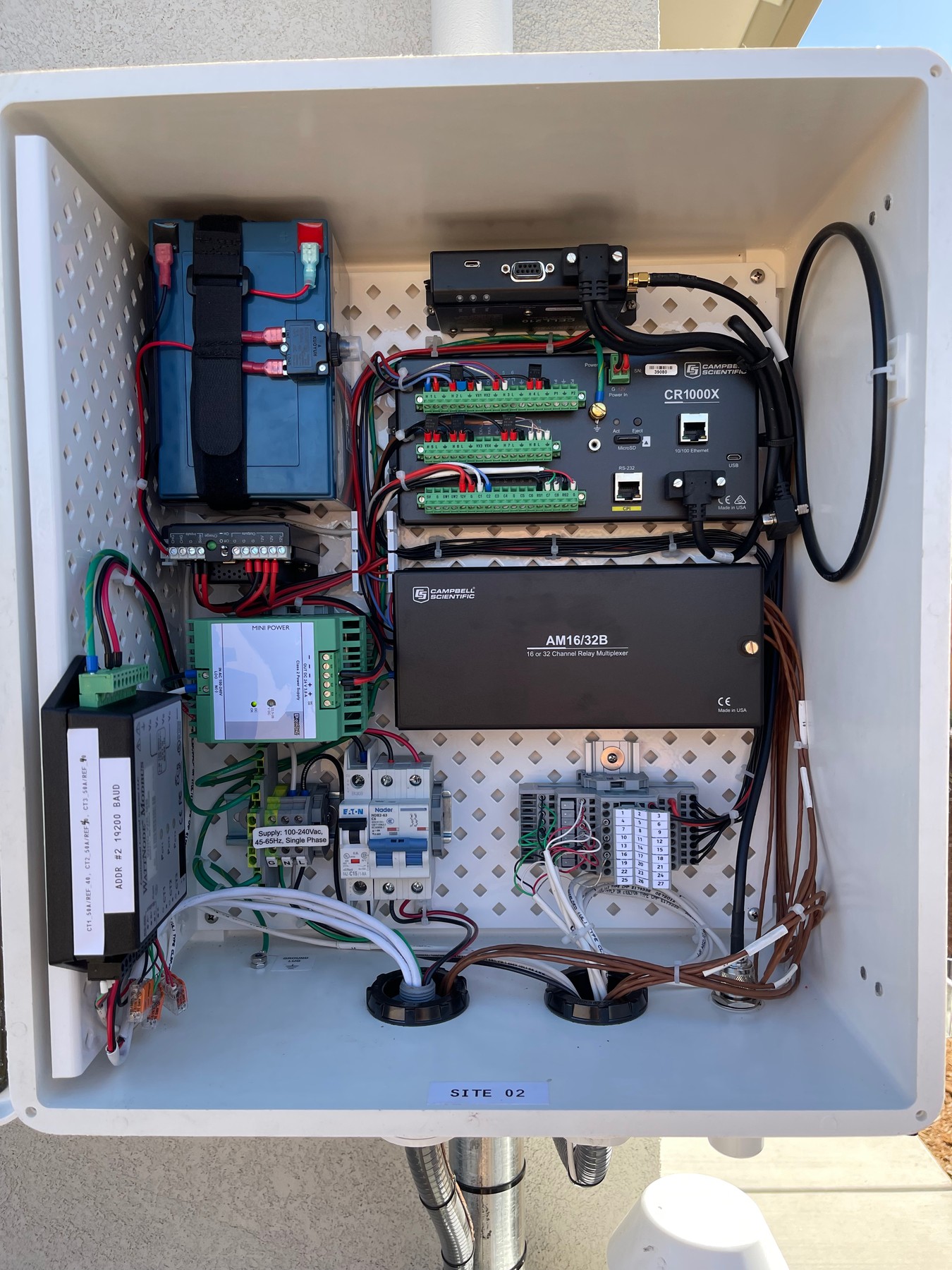
Energy Docs designed, assembled, installed, and maintained monitoring systems for 16 California field homes. Data boxes were installed during summer 2022 and removed during summer and early fall 2023, with most field installations operating for approximately 13–15 months.
THE WORK FROM START TO FINISH
Conduct site surveys, building and HVAC measurements, diagnostic testing, and documentation needed to support the study protocol.
Design and assemble data boxes, integrate Campbell Scientific equipment, communications and sensors, and prepare systems for deployment in real homes.
Install power and environmental measurements, commission the instrumentation, resolve field problems, and maintain operation through changing seasonal conditions.
Support ongoing data collection, performance testing, quality checks, maintenance, reporting, and eventual removal of the monitoring equipment.
The monitoring protocol included power, airflow, pressure, air temperature and humidity, and refrigerant-line and coil temperatures. Fifteen-second sampling and one-minute summaries supported detailed examination of equipment operation.
The practical challenge was making those measurements dependable across many installations, while understanding how the building, duct system, controls, and equipment affected the data.
That combination of field craft and building-science understanding is the core of Mike’s field-research practice.